 How-to
How to Prepare Your Home for Generator Installation
Last Updated: November 17, 2026
Quick Summary
Preparing your home for generator installation starts with a load assessment to size the system correctly, then confirming your electrical panel has spare capacity for the generator and transfer equipment. You also need a level, well-drained pad with proper clearances, a planned fuel supply, and permits confirmed with the local building department before work starts.
- Measure running watts and starting watts to size the generator correctly.
- A home standby generator needs at least 5 feet from any window, door, or vent.
- Whole-house installation runs from about $350 to $13,500, averaging near $5,154.
- Timelines run three to six weeks including permitting.
- Clear the work area and keep the electrical panel and meter accessible before install day.
Table of Contents
- Start With a Load Assessment and Generator Sizing
- Standby Generator Installation Requirements: Panel, Site, and Clearances
- The Transfer Switch for Generator to House Connection
- Cost to Install Generator Hookup and What Drives the Estimate
- Frequently Asked Questions
Start With a Load Assessment and Generator Sizing
Preparing your home for generator installation starts with a load assessment: measuring how much power your home actually draws so you can size the system correctly.
Get it wrong and you either overspend or run out of power mid-storm.
Sizing comes down to two numbers: running watts and starting watts. Add up what you need to keep running, then add surge for motors.
- Refrigerator and freezer
- Well pump or sump pump
- AC or heat pump
- Lights and outlets
- Medical or work equipment
Decide what you can live without. That list is your essential circuits.
Once you know your load, request a quote to confirm sizing before you buy.
Standby Generator Installation Requirements: Panel, Site, and Clearances
Standby generator installation requirements come down to three things: a panel that can carry the load, a code-compliant site, and proper clearances. In Lake Wales and across Polk County, Florida weather matters too, drainage, flood exposure, high winds, heat, and storm debris all affect where the unit can safely live.
Electrical panel and service evaluation
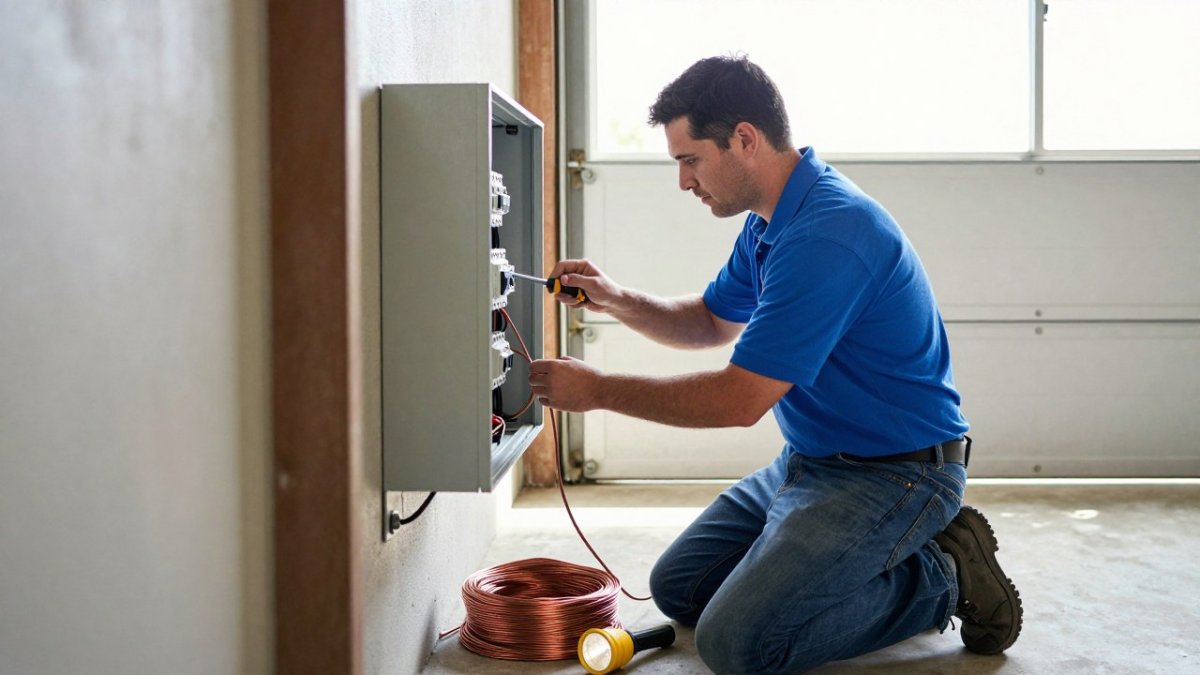
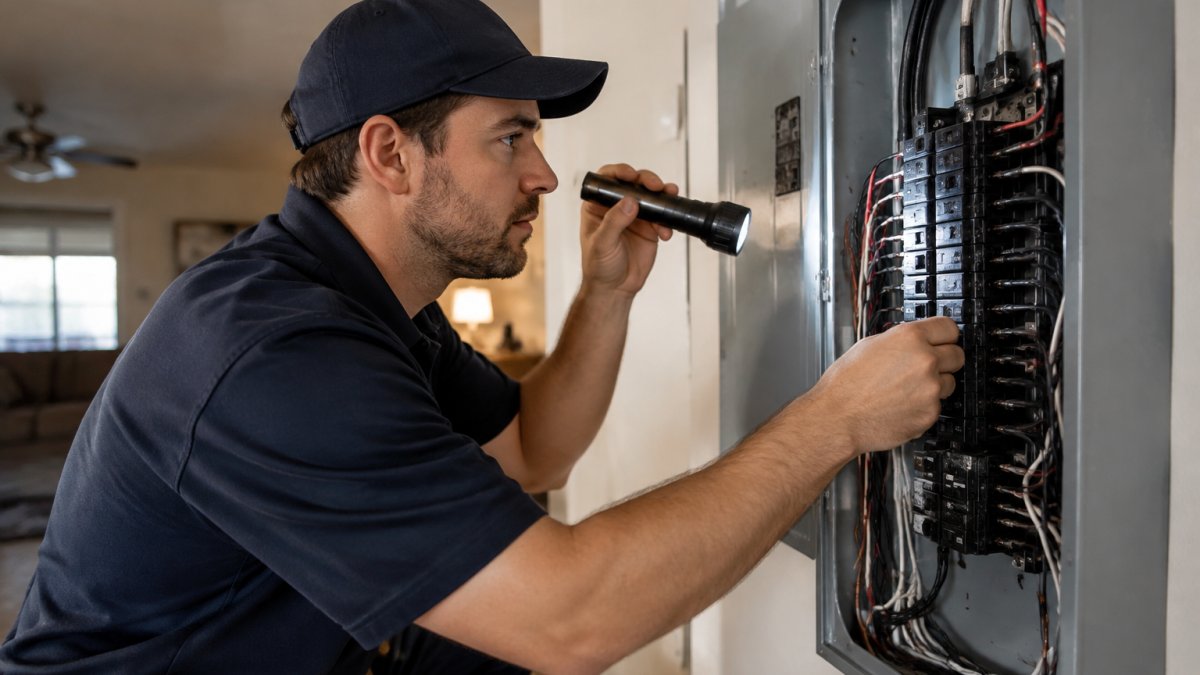
Your electrical panel needs spare capacity for the generator and transfer equipment. Older panels often can't support it. If yours is aging, read when an older panel needs an upgrade or explore our panel upgrade service before install day. A service evaluation confirms the main breaker rating, available breaker spaces, and whether the panel can accept a transfer switch without a service change.
Site selection for a Florida standby generator
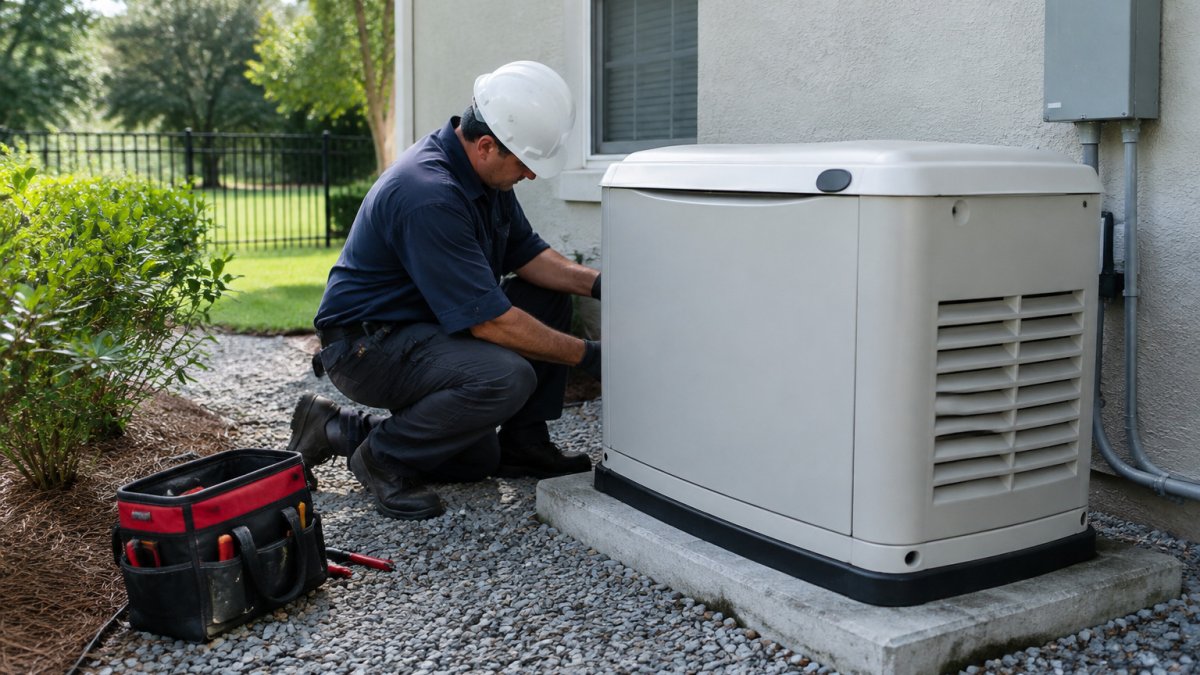
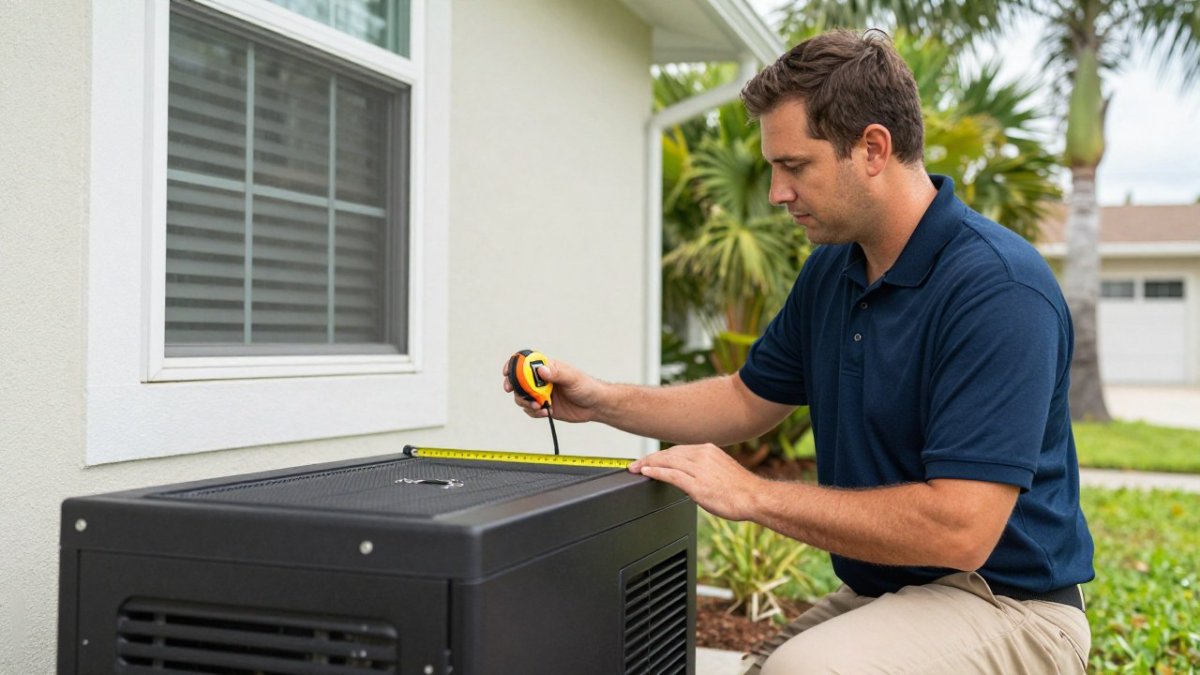
A standby generator is a permanent outdoor appliance, so the pad location is a long-term decision. A level, well-drained pad on the side or rear of the home works best, with the exhaust directed away from windows, doors, and vents. In Lake Wales, keep these Florida-specific factors in mind:
- Flood and drainage: Set the pad above the surrounding grade so stormwater runs away. Low-lying lots and areas near retention ponds need extra attention.
- High winds and storm debris: Secure the unit and clear nearby trees and limbs that could fall or clog the air intake.
- Heat and ventilation: Leave room for airflow; Florida heat stresses a generator that is boxed in.
- Service access: Plan a few feet of working room on the service side so a technician can reach the control panel and oil filter.
Clearances from windows, doors, and vents
Per Champion Power Equipment's site survey guide, a home standby generator needs at least 5 feet from any window, door, or vent. Exhaust must point away from openings to prevent carbon monoxide buildup. Manufacturer instructions and local code can require more, so confirm the clearance in the unit's installation manual before the pad is poured.
Fuel supply and pad planning
Plan for a level pad, fuel supply (natural gas or propane), and room for the installer to work. Natural gas requires a utility line sized for the generator's demand; propane requires a tank and line sized for runtime. A concrete or composite pad keeps the unit level and out of standing water.
Utility coordination and local permitting
A permanent standby installation usually involves the utility (for gas service or a meter change) and the local building department. Confirm permit and inspection requirements with the local building department before work starts.
Watch out: skipping the utility call early can stall the project, gas service upgrades and meter work often take longer than the electrical rough-in.
The Transfer Switch for Generator to House Connection
A transfer switch for generator to house connection is the safety device that moves your home from utility power to backup power without backfeeding the grid. It's not optional. It protects line workers and your equipment.
Two main types exist:
- Automatic transfer switch: flips to backup power on its own when the grid drops. Standard for standby systems.
- Manual interlock kit: a breaker-based setup for portable generators. Cheaper, but you switch it by hand.
Backfeeding a panel through an outlet or main breaker is dangerous and illegal. A licensed electrician wires the transfer switch correctly the first time.
When you're ready for the connection work, book generator installation with our team.
Cost to Install Generator Hookup and What Drives the Estimate
The cost to install generator hookup varies widely by home. According to Angi's 2026 generator cost data, whole-house installation runs from about $350 to $13,500, with an average near $5,154. Treat that as a national benchmark, not a Lake Wales quote, local labor, permitting, and site work move the number.
What moves your estimate:
- Generator size and type: A portable hookup through an inlet box and interlock kit costs far less than a permanent standby unit with an automatic transfer switch.
- Panel upgrades or new circuits: An aging panel may need replacement before the generator can be connected.
- Transfer switch style: Automatic transfer switches cost more than manual interlock kits but require less homeowner action during an outage.
- Fuel line and pad work: Natural gas line extensions, propane tank and line installation, and a concrete pad all add cost.
- Permits and inspection: Lake Wales and Polk County fees vary by scope; ask your contractor to itemize them.
- Site work: Trenching, drainage correction, and clearing access add labor.
Timelines run three to six weeks including permitting, per Tri County Electric Service's 2026 installation guide. In Lake Wales, storm season can tighten schedules, so book early if you want backup power before hurricane season.
Homeowner preparation checklist before install day
A little prep shortens the job and avoids change orders:
- Clear the work area and a path for the installer's truck and equipment.
- Make sure the electrical panel and meter are accessible.
- Move vehicles, pets, and outdoor furniture away from the pad and panel.
- Confirm gate codes, parking, and any HOA rules with your contractor.
- Gather any prior panel or permit paperwork.
Installation-day timeline
A typical day includes site and panel verification, mounting the pad and unit, running the fuel line, wiring the transfer switch, and commissioning. The electrician then tests the transfer switch and walks you through exercise schedules and maintenance.
For a Lake Wales home, storm prep adds urgency. Compare Florida hurricane generator options for 2026 to weigh portable versus standby before you commit.
Clancy Electric offers free estimates, so you can get a number for your home.
Here are the benchmark figures and timeline the article cites for a generator hookup.
| Item | Value | Note |
|---|---|---|
| Whole-house installation cost range | About $350 to $13,500 | National benchmark, not a Lake Wales quote |
| Average installation cost | Near $5,154 | Local labor, permitting, site work move the number |
| Installation timeline | Three to six weeks | Includes permitting |
| Generator size and type | Portable hookup costs far less than standby | Standby includes automatic transfer switch |
| Transfer switch style | Automatic costs more than manual interlock | Automatic requires less homeowner action |
| Fuel line and pad work | Adds cost | Gas line extensions, propane tank, concrete pad |
| Permits and inspection | Fees vary by scope | Ask contractor to itemize |
| Site work | Adds labor | Trenching, drainage correction, clearing access |
Preparing your home for a generator takes planning, and the details decide whether it works when the grid goes down. Clancy Electric is a certified Generac dealer serving Lake Wales and Polk County, fully licensed and insured (License #EC13008459). We offer free estimates, same-day service when available, and maintenance plans to keep your system ready.
Frequently Asked Questions
Do I need a permit to install a standby generator in Lake Wales, Florida?
Yes. Standby generator installation requires an electrical permit and inspection, and many homes also need a building or zoning sign-off for the pad and placement. Your installer should handle the paperwork and schedule the inspection as part of the project. Timelines vary with permitting and site work, so ask your installer for an estimated schedule. Confirm who pulls the permit before you sign a contract.
How much space should I leave around a standby generator?
Plan for at least 5 feet of clearance from any building opening, including windows, doors, and vents, so exhaust cannot drift inside. Keep the area free of shrubs, fencing, and stored items that block airflow, and leave room for an installer to reach the service panel. In Central Florida, trim vegetation back before storm season so debris does not clog the unit when you need it most.
Does my electrical panel need an upgrade before generator installation?
Sometimes. An older or undersized panel may not support the transfer switch and the circuits you want backed up, and the load assessment will show whether it can. If the panel is outdated, budgeting for an upgrade alongside the generator is realistic. Panel work can shift where your project lands, and a free estimate from Clancy Electric can show how it affects your specific home. A licensed electrician can confirm this during the site survey.