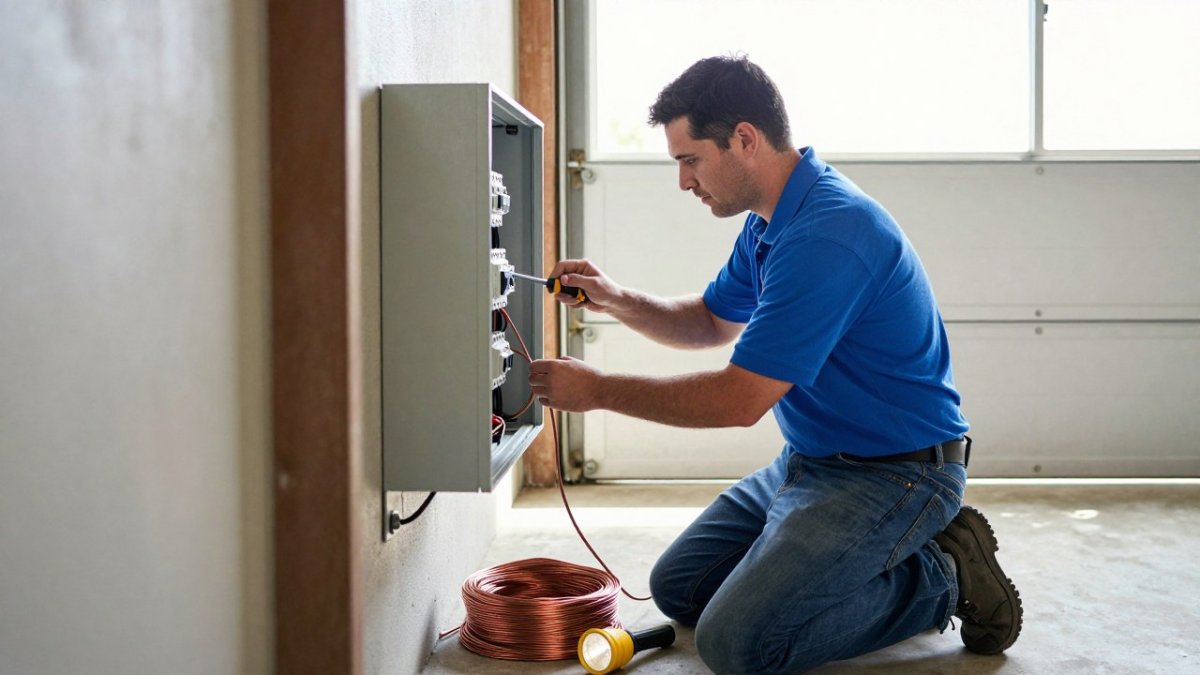
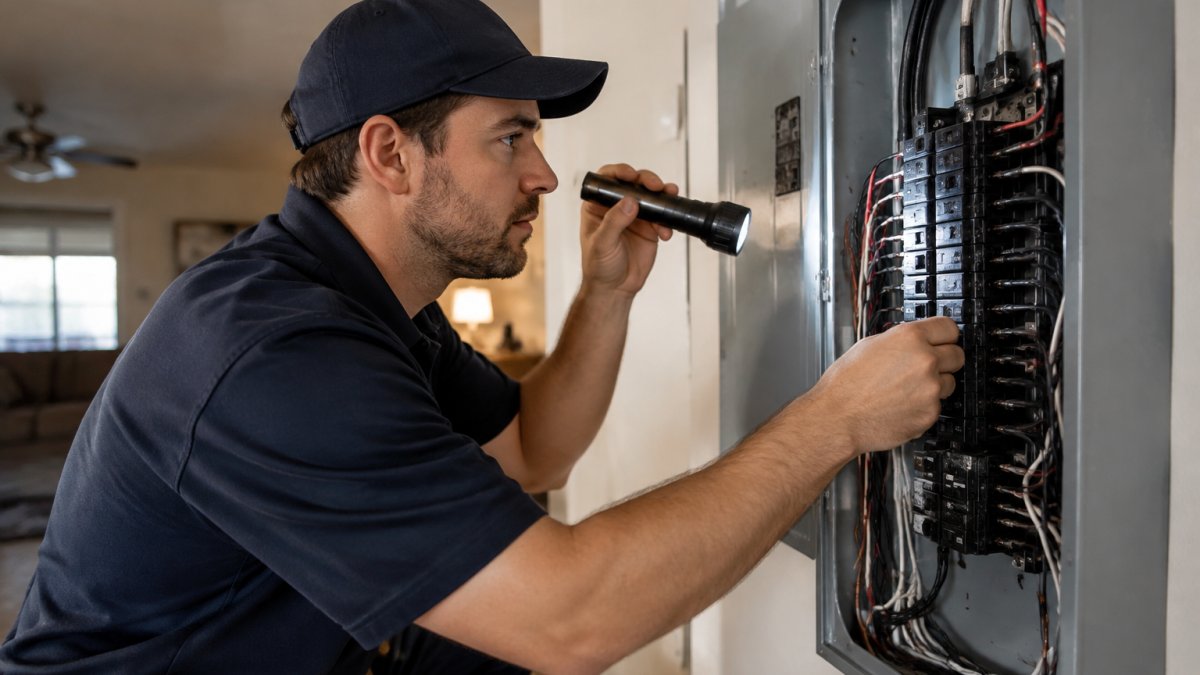
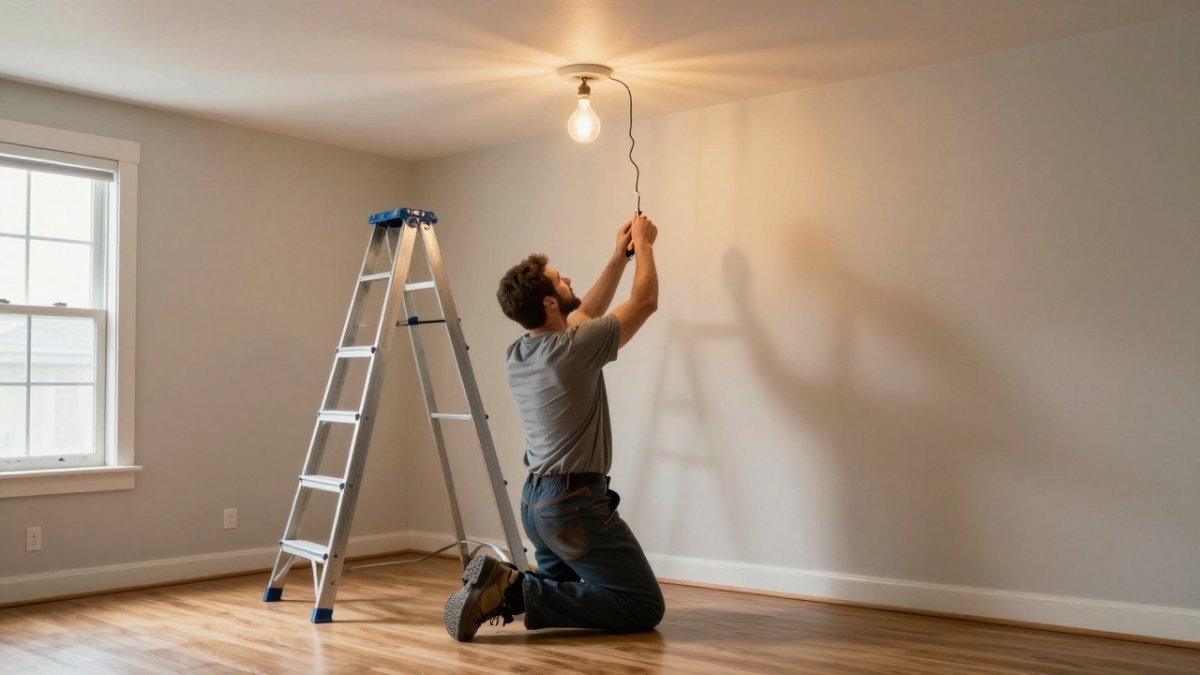
 How-to
How to Fix Flickering Lights: Causes and Steps to Take
Quick Summary
Flickering lights are usually caused by a loose bulb, a worn-out LED, or a dimmer that does not suit the bulb, and these are often simple to fix. Tighten the bulb, swap it for a known-good one, and confirm it is rated dimmable if it sits on a dimmer. If the flicker comes with heat, buzzing, sparks, or a burning smell, turn off the breaker and call a licensed electrician.
- Check whether the flicker affects one bulb, one fixture, a whole room, or the whole home.
- Turn off the light and let the bulb cool before tightening or swapping it.
- Many dimmers do not work well with LED bulbs, so confirm the bulb is marked dimmable.
- Heat, buzzing, sparks or a burning smell mean stop and call a licensed electrician now.
- If neighbors' lights flicker too, contact your electric utility before booking an electrician.
Table of Contents
- Is a Flickering Light Bulb Dangerous?
- Step 1: Check Whether the Flicker Is in One Light or the Whole House
- Step 2: Fix Bulbs, LEDs and Fixtures You Can Safely Check
- Step 3: Fix a Flickering Light Switch Safely
- When to Call a Licensed Electrician in Lake Wales
- Booking Your Flickering Light Inspection With Clancy Electric
- Frequently Asked Questions
Is a Flickering Light Bulb Dangerous?
Last Updated: November 21, 2026
Flickering lights are usually a nuisance, not an emergency. Most of the time, a loose bulb or a worn-out LED is the cause. Clancy Electric, a licensed electrical contractor serving Polk County, can help you tell the difference.
A flicker that stops when you tighten a bulb is almost never dangerous. A flicker that comes with heat, burning smells, buzzing, sparks, or discolored outlets is different. Those signs suggest a loose or failing connection inside a switch, fixture, or outlet, and that can start a fire.
Watch out: never touch a switch plate, outlet, or fixture that is warm, buzzing, or smells like burning. Turn off the breaker for that circuit and call a licensed electrician.
Here is a quick way to sort the risk:
- Usually harmless: one bulb flickers and it is loose or old
- Worth a closer look: several lights on the same circuit flicker
- Call now: flickering with heat, sparks, buzzing, burning smell, or scorched outlet covers
If a flicker stays after a bulb swap, it may be a sign of an overloaded circuit. For more on this, see our guide on why your circuit breakers keep tripping.
Step 1: Check Whether the Flicker Is in One Light or the Whole House
Start by mapping how far the flicker reaches.
Use this decision tree, working from smallest scope to largest:
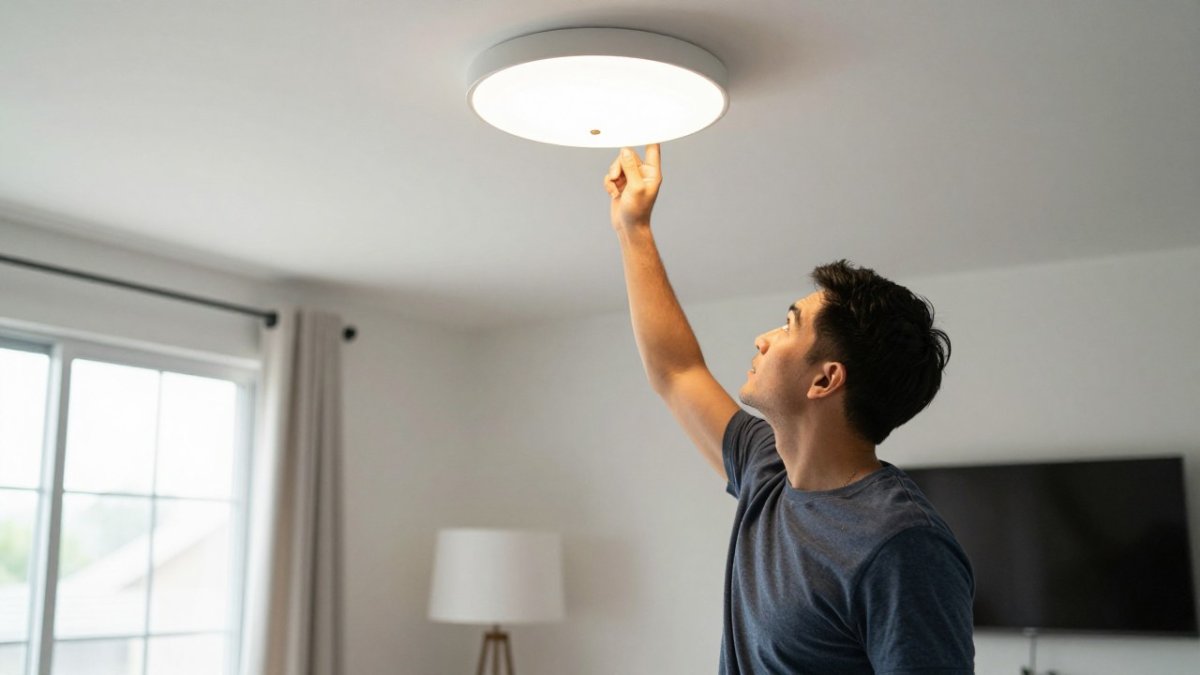
1. One bulb flickers, others in the same fixture are steady. The bulb is the prime suspect. Turn off the switch, let it cool, reseat it, and swap it with a known-good bulb from another socket. If the flicker follows the bulb, replace the bulb. If the flicker stays in the same socket, move to step 2.
**2.
3. Every light in one room flickers. The room's circuit is the likely scope.
4. Lights in several rooms flicker, especially when a large appliance starts. This pattern often means the supply is sagging under load.
5. Lights throughout the home flicker at random, with no appliance pattern. Treat this as a utility-side or main-panel question first.
Utility-side versus home-side check. A simple test: does the flicker stop when you turn off the main breaker?
What to record before you call anyone.
- Which rooms and fixtures flicker
- Whether it is constant or intermittent
- Which appliances are running when it happens
- Whether neighbors are affected
- Whether any breaker has tripped
Watch out: if the flicker comes with a burning smell, buzzing, sparks, a hot switch plate, or a scorched outlet cover, stop troubleshooting and turn off the breaker for that circuit.
If the flicker only affects one light, you can safely work on it yourself. If several lights flicker, or the whole home does, contact a licensed electrician before you do more testing.
The table below sums up who to call and what to do for each flicker pattern.
| Flicker pattern | Likely cause | Next action |
|---|---|---|
| One bulb flickers, others steady | Bulb itself | Swap with a known-good bulb |
| One fixture flickers, circuit steady | Fixture socket or driver | Turn off breaker, inspect fixture |
| Every light in one room flickers | Room circuit connection | Note if tied to one appliance |
| Lights in several rooms dim at appliance start | Supply sagging under load | Log which appliances run |
| Random whole-home flicker, neighbors affected | Utility-side issue | Call your electric utility first |
| Flicker with burning smell or buzzing | Loose or failing connection | Turn off breaker, call an electrician now |
Step 2: Fix Bulbs, LEDs and Fixtures You Can Safely Check
Start with the simplest fixes. Turn off the light at the switch first, then let the bulb cool before touching it.
Loose bulbs and dimmer compatibility
A loose bulb is the most common cause of flickering. Turn the bulb clockwise until it is snug, but do not force it. Then turn the light on and watch for a few minutes.
Dimmers cause problems too. Many dimmers do not work well with LED bulbs, which can cause flicker or buzzing. Check the bulb's packaging for "dimmable" and confirm it works with your dimmer. If not, replace the bulb with one rated for dimming.
Quick checklist:
- Tighten the bulb by hand
- Confirm the bulb is rated for your fixture's wattage
- Make sure the bulb is marked dimmable if it sits on a dimmer
- Replace any bulb that still flickers after tightening
Faulty or incompatible LED bulbs
LED bulbs are efficient, but a bad one can flicker, especially if it is mismatched with the fixture. Try swapping the suspect bulb with a known-good bulb from another room. If the flicker moves with the bulb, replace it.
Common LED issues include:
- Bulbs not rated for enclosed fixtures
- Mixing LED and older dimmer systems
- Cheap bulbs with weak internal drivers
Use bulbs from reputable manufacturers and check the rated compatibility on the box.
Step 3: Fix a Flickering Light Switch Safely
A loose or worn switch can cause flicker that comes and goes. Before you do anything else, turn off the breaker that controls that switch. Confirm the power is off with a non-contact voltage tester.
Then check the switch:
- Look for scorch marks, discoloration, or a warm plate
- Tighten the switch's terminal screws if you are trained to do so
- Replace the switch if it feels loose, sticks, or still flickers
If the switch looks damaged or you see any heat marks, stop there. A damaged switch is a fire risk. Our outlet and switch service can replace it safely.
When to Call a Licensed Electrician in Lake Wales
Some flickers are a nuisance; some are a warning. The difference is usually in what comes with the flicker, not in the flicker itself. Use the tiers below to decide how fast to act.
Call now, treat as urgent. Stop using the circuit and call a licensed electrician immediately if you see any of these alongside flickering:
- A burning or plastic smell near a switch, outlet, or panel
- Buzzing, crackling, or sizzling sounds
- Sparks from a fixture, switch, or outlet
- A switch plate, outlet cover, or panel door that is warm to the touch
- Scorched, discolored, or melted outlet covers or switch plates
- Smoke of any kind
- A breaker that trips repeatedly after you reset it
If you see smoke or flames, leave the home and call 911 first. Do not reset the breaker again to "test" it; repeated trips are the circuit telling you something is wrong.
Call soon, schedule a visit. These patterns are not emergencies, but they should be checked by a professional rather than left alone:
- Flicker that continues after you replaced the bulb and confirmed it is dimmer-compatible
- Flicker on several circuits at once
- Whole-home flicker that your neighbors do not see (points to your panel or service)
- Flicker in an older home with cloth-wrapped wiring or a fuse box
- A switch that feels loose, sticks, or is warm
- Flicker that started after a storm or a nearby lightning strike
Call the utility first, then an electrician. If your neighbors' lights flicker at the same time as yours, or if the flicker affects the whole home with no appliance pattern, contact your electric utility before booking an electrician.
What to have ready before the electrician arrives.
- Your flicker log: rooms, fixtures, timing, and appliances running
- Whether neighbors were affected
- The age of the home and panel, if known
- Any recent work, storms, or appliance changes
- Photos of any scorch marks or discoloration
Cost factors, not quotes. Repair cost depends on the cause, not the symptom.
Older homes can have aging wiring and panels, so do not assume an old fault is harmless. If the wiring itself is the problem, rewiring service may be the right fix.
Booking Your Flickering Light Inspection With Clancy Electric
Flickering lights can have a simple cause or a serious one, and it is hard to tell which from the outside. Clancy Electric is a fully licensed and insured electrical contractor serving Polk County and Central Florida, and we offer free estimates. Our team handles everything from bulb and fixture checks to panel work and indoor lighting repairs.
Get an estimate, and let a professional tell you whether your flicker is a quick fix or a sign of a bigger problem.
Frequently Asked Questions
Why are my lights flickering all of a sudden?
A sudden flicker usually has a simple cause: a bulb that has loosened in its socket, a failing LED driver, or a dimmer that no longer matches the bulb. Start by checking whether the flicker affects one light or several. A single light points to the bulb, fixture or switch. Flickering across several rooms can point to a shared circuit or a utility-side voltage problem. If the flicker started after a storm, after a new appliance was plugged in, or comes with burning smells, buzzing or warm switch plates, turn off that circuit and call a licensed electrician promptly.
Is a flickering light bulb dangerous?
A flickering bulb by itself is rarely an immediate fire risk, but the cause behind it can be. Loose connections create heat at the socket or switch, and damaged wiring can arc. Stop and call a licensed electrician if you notice a burning smell, scorch marks, discolored outlet or switch covers, buzzing, or flickering that continues after you have replaced the bulb. Do not ignore flickering that comes with warm fixtures or breakers that trip repeatedly.
When should I call an electrician for flickering lights?
Call a licensed electrician if flickering continues after you have tightened or replaced the bulb, if several rooms flicker together, or if the flicker comes with warning signs such as burning odors, sparking, hot switch plates, or breakers that trip. Clancy Electric, a fully licensed and insured electrical contractor serving Polk County, can inspect the fixture, switch, wiring and panel, and will give you a clear explanation before any repair. Visit the Clancy Electric website or call for a free estimate.
Can a loose light switch cause flickering?
Yes. A worn or loose switch can make intermittent contact, which causes the light to flicker or cut out when the switch is touched or bumped. Turn off the breaker before removing the cover plate. If the switch feels loose in the box, looks scorched, or has no stable contact when toggled, replace it. Because switch work involves live wiring, a licensed electrician should handle the replacement if you are not comfortable working inside an electrical box.